

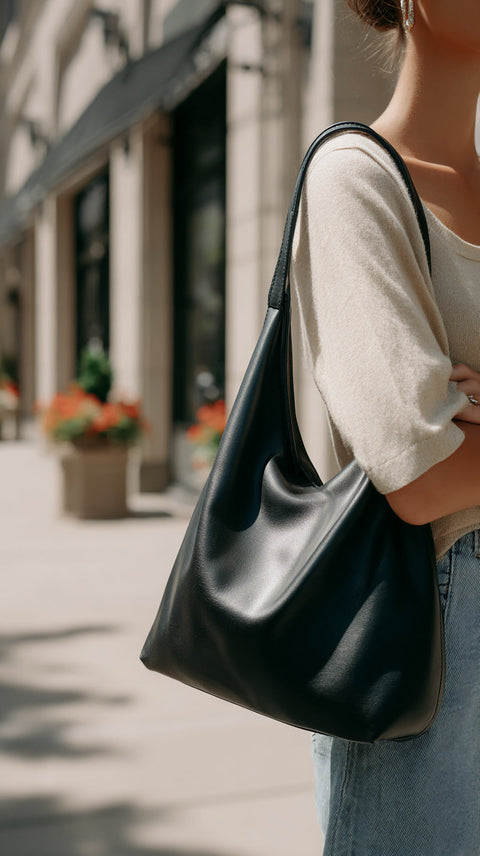
What is Vegan Leather? Why does Gen Z love it?
What is vegan leather and why is it considered the future of the fashion industry? The answer is not simply “no animal killing”, but a whole ecosystem of responsible consumption is gradually taking shape.
Vegan Leather Is More Than Just Not Using Real Leather
The concept of “vegan” in fashion is no longer limited to food. It extends to materials – where people actively refuse to use animal-derived materials , whether directly or indirectly.
Vegan leather is a material that simulates real leather but without any animal ingredients. Not cheap PVC leather, modern vegan leather can be made from mushrooms, pineapples, lotus leaves, apple puree or even… recycled plant waste.
The quality of these leathers has improved dramatically in recent years: they are softer, more durable and, importantly, feel more “wearable” – no longer just a makeshift material.

What's the Difference Between Faux Leather and Vegan Leather?
Don't confuse PU leather/PVC with vegan leather . While both are animal-free, the goals of these two materials are very different.
-
PVC faux leather is often a cheap, easy-to-produce option but is not environmentally friendly and peels off quickly.
-
Vegan leather is a product of biotechnology or recycling, emphasizing sustainability, low environmental impact and a long-lasting feel.
A bag made from mushroom leather (Mylo), or a jacket made from apple skin (AppleSkin) can offer the same luxury as real leather, but with a stronger ethical footprint – because you dress beautifully without causing pain to any living creature.
Why Is Gen Z Making Vegan Leather a Trend?
1. Fashion is no longer about showing off, but about telling
Gen Z cares about “what’s behind the fabric”: where it comes from, who made it, and what it’s made of. A great shirt no longer just needs to be trendy – it needs to be valuable. Sustainable, non-toxic, and non-exploitative materials are key.
And vegan leather – with its regenerative properties and no animal testing – is becoming the new symbol of ethical fashion thinking.
2. Affirming Identity Without Sacrificing Nature
Unlike the previous generation, who were often labeled as “beautiful must be expensive, must be rare, must be precious”, Gen Z chooses to dress stylishly without destroying the environment. They do not need crocodile skin to look classy – they choose leather from mushrooms, pineapples, coffee grounds… to express their identity in a more creative way.

Where Vegan Leather Is Showing Up in Fashion
1. From the Biggest Runways to the Fashionista's Closet
Big fashion houses like Stella McCartney, Balenciaga, Hermès (with its mushroom leather bag line), Adidas (Stan Smith shoes made from pineapple leather) have all joined this wave. Domestic brands in Vietnam have also started to produce wallets, bags, belts from vegetable leather or recycled leather.
2. In Streetwear and the Indie Designer Community
Especially in streetwear – where fashion is a reaction to the times – materials like cork leather (from oak bark), Piñatex (from pineapple fibers), and MuSkin (mushroom leather) are becoming symbols of “uniqueness”. Indie designers choose these materials not only to be different, but also to create products with a clear cultural identity.
The Existing Problems of Vegan Leather and the Way Forward
Despite its promise, vegan leather isn’t perfect. Some still use synthetic resins as backing to increase durability. The manufacturing process can sometimes be complex and high-tech, which increases the cost.
However, this is a long-term game . The fact that major corporations are investing in sustainable materials shows that vegan leather is not a passing fad, but an important part of the strategy to “decarbonize” the fashion industry.

Conclude
What is vegan leather? It’s fashion’s answer to the climate, ethical, and socially conscious crises. It’s not just beautiful on the outside – it’s beautiful because you know there’s no harm or compromise on the inside.
When you choose a vegan leather item, you're not just choosing style – you're choosing a stance.
Related articles:
Where Do Natural Fibers Come From? Why Are They Increasingly Popular?
Secondhand Goods: Interesting Mystery or Hidden Risk?
Japanese Street Style Fashion – When Style Is A Form Of Culture
