

Cupro: Sustainable Vegan Silk or Just a Promise?

The world of sustainable fashion is constantly changing, and a new fabric is promising to change the way we think about eco-friendly materials. Cupro fabric, with its silky feel and shimmering appearance, is set to be a leading trend in the industry.
But is this miracle material really as "green" as advertised?
Cupro - the combination of luxury and sustainability
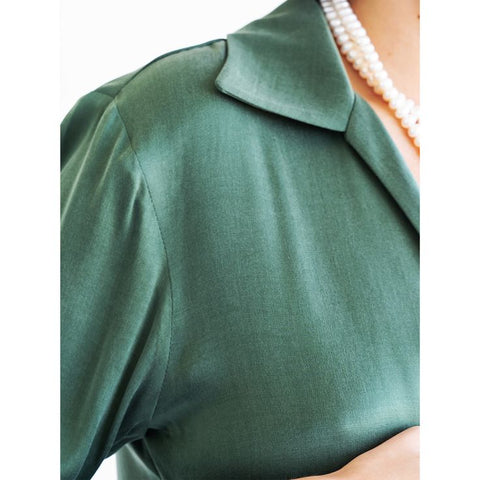
Cupro fabric, often referred to as “vegan silk,” is a regenerated cellulose fiber made from cotton lint—the thin, fine cotton fibers that are typically discarded during the cotton production process. These lints are typically thrown away, so Cupro is an innovative way to utilize this byproduct.

(Source: Pinterest)
The result is a fabric that shares many similarities with silk, such as drape and a luxurious feel, while also being hypoallergenic, breathable, and fairly stretch-resistant.
However, unlike silk, which requires the “sacrifice” of silkworms, Cupro is entirely plant-based. Its production takes place in a closed-loop system, meaning the chemicals used in its production can be extracted and reused, minimizing waste and environmental impact. These unique features have put Cupro at the forefront of sustainable fashion.
Applications of Cupro fabric
Cupro fabric, due to its unique properties, finds applications in a wide range of areas within the fashion industry and beyond. Its silky soft texture, beautiful drape and breathability make it a top choice for high-end garments such as dresses, jackets and linings. It is often used as a more eco-friendly and vegan alternative to silk.

(Source: Pinterest)
Its hypoallergenic properties also make it a great choice for those with sensitive or allergy-prone skin. Because it is quite resistant to shrinkage and stretching, Cupro garments retain their shape and appearance even after multiple wears and washes, increasing their durability.
Cupro is also used in the production of household items such as curtains and sofa upholstery due to its luxurious feel and durability. Its heat resistance also makes it useful in the production of some industrial materials.
Furthermore, with consumers increasingly concerned about sustainability, many brands are incorporating Cupro into their eco-friendly product lines. It is not difficult to find the material in sustainable fashion collections, where it is prized for its biodegradability and is made from waste that would otherwise be discarded.
Environmental impact of Cupro fabric
When discussing the environmental impact of Cupro fabric, it is essential to consider both its pros and cons.
Positive side:
Using cotton lint - a byproduct normally discarded during cotton production - helps reduce waste in the cotton industry.
The Cupro production process takes place in a closed-loop system, which recycles and reuses the solvent instead of discharging it into rivers, thereby reducing pollution and conserving resources.

(Source: Pinterest)
Limitations:
Cupro production is energy intensive, particularly during the refining stage. The process requires a lot of water and electricity. While some manufacturers are looking to reduce energy consumption and switch to renewable sources, this is still an area that needs improvement.
While Cupro itself is biodegradable due to its cellulose origin, the additives and dyes used in its production may not be biodegradable, affecting the overall environmental footprint of the finished fabric.
In summary, Cupro fabrics have certain advantages in terms of sustainability – especially the innovative use of recycled materials and closed-loop manufacturing processes – but there are still limitations that need to be overcome.
How to care for Cupro fabric
Check the label: Each product may have its own washing instructions.
Machine wash: gentle cycle with cold water and mild soap. Do not bleach.
Hand wash: for delicate or detailed Cupro fabrics. Soak in cold water with mild soap, rub gently, rinse thoroughly.
Dry naturally: avoid direct sunlight and heat sources. Do not wring as this may damage the shirt's shape.
Iron: low temperature, while the fabric is still slightly damp. Turn inside out before ironing to protect the fabric surface.
Professional dry cleaning: for difficult stains or if you are unsure how to clean.
Cupro is an interesting option in the world of sustainable fashion. The fabric utilizes by-products, and the closed-loop manufacturing process minimizes waste. However, the production process is energy-intensive and the additives used can impact sustainability. Cupro marks a step forward in sustainable fashion, but there is still room for improvement.
Most viewed articles:
Weekly Prediction from End of May to Beginning of June for 12 Zodiac Signs
12 Zodiac Signs: Revealing the Hidden Weaknesses Behind Each Appearance
