

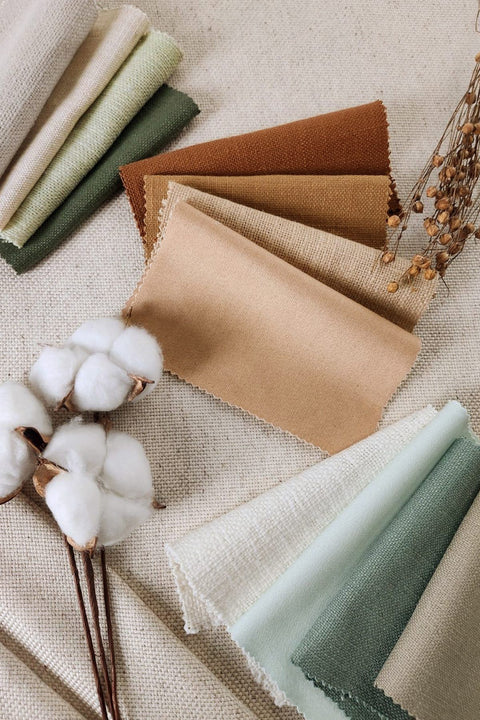
What Kinds of Fabrics Are Commonly Used in Clothing and How to Identify Them?
What types of fabrics are commonly used in clothing is always a familiar question for fashion lovers. Understanding the material is the first step to dressing well and smartly.
Why Is Understanding Fabric Important To Dress Well?
When it comes to taste, we often talk about style, color, and how to coordinate clothes. But few people realize that the most important factor lies in the material. Knowing which fabrics are commonly used in clothing , you will not only choose clothes more easily, but also save time trying on clothes, limiting the wrong purchase.
Moreover, the sustainable fashion trend is making many young people interested in the origin of materials. Each fabric has its own "personality": some are light and airy, some are sturdy and form-fitting, and some are as soft as a second skin. And understanding materials is like learning a new language - the language of fashion.
Cotton, Linen, Polyester – The Classic Trio Everyone Must Meet
If you ask what position cotton is commonly used in clothing , the answer is definitely top of mind . Cotton is a natural fiber material, extremely popular because it absorbs sweat well, is soft and easy to care for. Cotton is everywhere – from basic T-shirts to office shirts, even pajamas and towels.

Cotton – the most popular, friendly and highly applicable material (Photo: Pinterest)
However, cotton wrinkles easily and takes a long time to dry, especially in humid climates. Therefore, people often add polyester - a synthetic fiber with high durability and good wrinkle resistance. Polyester fabric holds its shape well, has little stretch, and is cheap, so it is widely used in windbreakers, sportswear, and canvas bags.
In contrast to polyester, linen has been a popular choice in recent years thanks to the return of organic aesthetics. Linen is the most breathable, extremely absorbent, and has a rough yet luxurious feel to the surface.

Linen – a “breathable” material for summer, is increasingly popular (Photo: Pinterest)
This is also the reason why linen and polyester fabrics often go together – one is natural, the other is industrial. Understanding the properties will help you choose the right item to suit your needs: whether you need to be cool or durable, light or wrinkle-resistant.
From Khaki to Jean: Rough Material But "Hard" Taste
If you are a fan of utilitarian or streetwear style, you definitely cannot ignore khaki and jeans fabrics that are popular in personality designs such as jackets, cargo pants, midi skirts or jumpsuits.
Khaki has good form-holding ability, moderate thickness, suitable for items that need to keep their shape but still have flexibility. Khaki fabric is often found in thick shirts, chino pants, and workwear jackets.
Jeans , or denim, are a cultural icon. Originally worn by miners, jeans quickly spread across the globe thanks to their practicality and durability. Today, jeans are more than just pants – you’ll find them in jackets, handbags, and even shoes.

Kaki & jeans – raw materials but full of application and style (Photo: Pinterest)
In Root Rotation ’s designs , khaki and denim are often cleverly combined to create a balance between personality and practicality. A khaki cargo shirt paired with faded denim is not only strong but also sustainable – as both can be reused and redesigned easily.
Natural or Synthetic: The Story of Fabric
The seemingly simple question of natural vs synthetic fabrics is at the heart of the modern fashion story. Natural fabrics such as cotton, linen, tencel are often biodegradable, safe for the skin and the environment. However, they wrinkle easily and require careful care.
In contrast, synthetic fabrics such as nylon, spandex, and polyester are durable and water-resistant, but can cause microplastic pollution. Choosing which fiber to use is not only a personal choice, but also an environmentally conscious choice.

The difference between natural and synthetic fibers is not only in feel, but also in fashion philosophy (Photo: Pinterest)
Understanding fabric is important if you're interested in a sustainable lifestyle – a philosophy Root Rotation has always pursued through product lines made from tencel, organic cotton, and recycled denim .
Linen, Tencel and Slow Lifestyle in Fashion
With the clean fashion wave on the rise, the popular linen and tencel fabrics are becoming symbols of responsible fashion. While linen brings a rustic, gentle feeling, tencel is smooth, cool and super friendly to sensitive skin.
Tencel is a fabric made from natural wood pulp (usually eucalyptus), a closed production process, not harmful to the environment. Tencel fabric often appears in Root Rotation's designs for natural product lines such as loose-fitting shirts, loose-fitting dresses, and loose-fitting shorts.
Conclusion: Knowing Fabrics – Know How to Dress Well and Live Consciously
Understanding what fabrics are commonly used in clothing is no longer the job of designers or professionals. It is basic knowledge that anyone who loves beauty should equip themselves with. Materials not only determine the feeling of wearing - but also silently declare about lifestyle, personality, and the way we communicate with the surrounding environment.
If you are looking for designs that combine natural materials, modern shapes and environmental responsibility, explore the collections from Root Rotation – where every fabric carries the message: Live Artistically, Wear Quality.
Related Articles
Casual Smart Clothing For Men With Awesome Layering Formula
What Is Premium Linen Fabric And Is It Worth Investing In For A Sustainable Wardrobe?
