

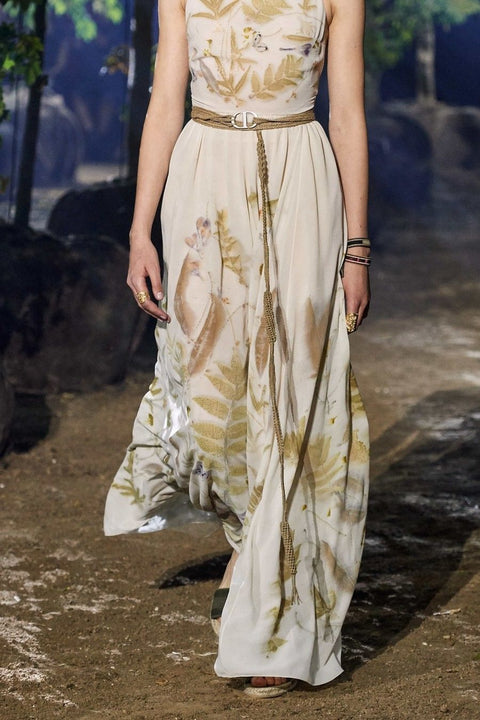
Cellulose Fiber Is The Slow But Steady Fashion Direction
Cellulose fibers are becoming a hot topic in sustainable fashion, marking a slow but steady journey for an industry hungry for innovation.
Cellulose Fibers and the Story of Nature
1. From Cotton to Viscose: Diverse Origins
Natural cellulose fiber from cotton is one of the most familiar materials in the textile industry. With its ability to be cool, soft and safe, cotton has long been considered the ideal choice for everyday clothing. However, in the context of increasing demand for raw materials, the industry has also exploited regenerated cellulose fiber viscose - produced from wood or bamboo, then recycled into soft, smooth fibers, similar to silk. It is this diversity that makes cellulose a bridge between nature and technology.

Cellulose is naturally sourced and regenerated (Photo: Pinterest)
2. Strengths and Challenges
The most prominent advantages of cellulose lie in its breathability and softness. Many studies have even shown that cellulose fibers have antibacterial advantages , especially when combined with advanced processing technologies. However, this material is not without limitations. One of the disadvantages of cellulose fibers in absorbing water is the ability to easily absorb moisture, making clothes need to be cared for more carefully than polyester or nylon. This is why it is called the "slow but sure" direction, when prioritizing sustainability instead of mass production speed.

Natural fiber texture provides breathability but is moisture absorbent (Photo: Pinterest)
Application of Cellulose Fibers in Apparel and Runway
1. From Basic to High-End Clothing
Today, the application of cellulose fibers in clothing ranges from T-shirts, dresses, jeans to high-end clothing. Cotton still holds the position of “national”, while viscose appears in many collections from Zara, H&M to Stella McCartney. Thanks to its softness and natural drape, viscose is often used for maxi dresses, shirts and evening dresses.

Cellulose fibers enter both applied and high-end fashion (Photo: Pinterest)
2. Sustainable Trends on the Runway
International fashion houses are pushing cellulose as a green alternative to polyester. For example, the “Future Fabrics” collection at London Fashion Week made a splash by using entirely recycled viscose. This trend proves that cellulose is not only suitable for everyday life, but also has the potential to appear on the runway as a fashion statement.

Sustainability declaration on the international stage (Photo: Pinterest)
3. When Gen Z Shapes the Slow Wear Lifestyle
Young people, especially Gen Z, are increasingly concerned about the product life cycle. Instead of “buy fast – throw away fast”, they look to cellulose as an option for green living and sustainable dressing. Basic outfits made from cotton or viscose have become a slow fashion statement, reflecting a philosophy of balanced living, minimizing environmental impact.

Slow but sure fashion is spreading strongly among young people (Photo: Pinterest)
Root Rotation and the Slow Fashion Spirit
1. When Sustainability Becomes Brand DNA
In the context of cellulose being considered the future of fashion, Root Rotation stands out as a brand that follows this philosophy. Instead of following the pace of fast fashion, the brand focuses on sustainable materials, unique designs and environmentally responsible production processes. This is the “slow but steady” direction – suitable for the needs of Gen Z who love individuality and environmental awareness.
2. From Natural Fibers to Sustainable Streetwear
Interestingly, cellulose is not only limited to runway outfits, but also integrated into streetwear. A recycled denim jacket or durable cotton jeans can completely become a favorite item of young people. Root Rotation turns cellulose into a bridge between tradition and modernity, between street personality and environmental responsibility.
Conclusion: Cellulose – The Fiber Leading the Way to Future Fashion
Cellulose fibers are not a quick fix, but they are a sustainable and sure path for the fashion industry. With their natural origin, regeneration ability and creative potential, cellulose is helping to redefine what “slow fashion” means.
While many brands chase speed, sustainable fashion houses and brands like Root Rotation are proving that going slow but going right is the way to make fashion last. It’s not just about materials, it’s about a philosophy – an invitation for the younger generation to join in a green future.
Related Articles
Dyeing Fabrics with Natural Colors From Your Kitchen to a Runway Trend
How to Distinguish Some Fabrics That Look Similar But Feel Different
Bomber-Style Women's Leather Jackets Are Being Sought After Again By Young People
