

Types of Plaid Fabrics You Need to Know If You Want to Dress Stylishly
In the fashion world, plaid fabrics are always popular because of their diversity, ease of coordination and uniqueness. Understanding each type will help you dress more beautifully and in the right style.
Checkers From Traditional To Modern
1. Madras – The Brilliance of India
The origins of Madras plaid fabrics date back to Chennai, India, where tropical hues were handwoven on a lightweight cotton base. Madras fabrics are often associated with summer, when multi-colored plaid shirts paired with khaki shorts became a signature image of American preppy style. With the Y2K boom, Madras is making a strong comeback in streetwear, especially loved by Gen Z.

Madras symbolizes the freedom and dynamism of summer (Photo: Pinterest)
2. Plaid Cotton – Flexible and Friendly
When it comes to cotton plaid , most young people will immediately think of the legendary flannel check. Thick cotton, good warmth but still breathable, made cotton plaid a symbol of 90s grunge. Today, oversized plaid flannel combined with chunky sneakers still retains its appeal, bringing comfort and personality.

Plaid cotton is associated with grunge and streetwear style (Photo: Pinterest)
3. Linen Caro – Minimalist Spirit
In minimalist fashion, linen plaid has become a favorite choice thanks to its lightness, breathability, and natural wrinkle-resistance. Linen plaid dresses in beige, light blue, or pastel gray are often associated with eco-chic living and sustainability, proving that plaid can be not only individual but also elegant and sophisticated.

Plaid linen brings a natural, elegant and modern feel (Photo: Pinterest)
Classification of Popular Plaids in Fashion
1. Gingham – Timeless Cuteness
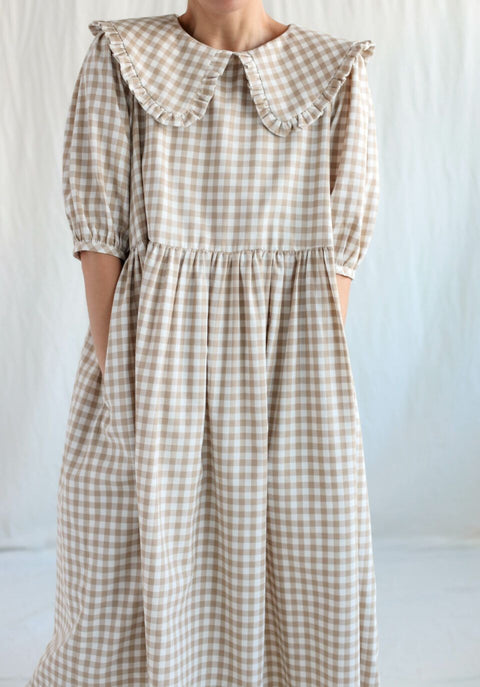
Mention the popular gingham check fabric , the image of a blue and white checkered picnic dress immediately appears. Gingham is a simple yet attractive two-tone check pattern. In the 50s, Brigitte Bardot made gingham an icon when she wore a pink checkered wedding dress, creating a romantic fashion wave. Today, gingham continues to be favored by Gen Z in crop tops, mini skirts or canvas tote bags.
2. Glen Plaid – Elegant and Luxurious
Among the plaid fabrics , the Glen-Plaid plaid fabric classification is often associated with high-end suits and trousers. Originating from Scotland, Glen Plaid has delicate gray-black checks, symbolizing European gentleman style. Many modern brands have rejuvenated Glen Plaid by transforming it into oversize shapes, croptop blazers or matching sets for women, helping this plaid to be both classic and trendy.

Glen Plaid symbolizes elegance and power in office fashion (Photo: Pinterest)
Caro In Gen Z Trend And Future
1. Plaid In Streetwear And Retro Revival
Plaid never goes out of style thanks to its adaptability. From Madras shirts, flannel plaid to gingham miniskirts, plaid is present in most Gen Z outfits. The retro revival trend makes plaid a “must-have” choice for those who want to express their personality without being too fussy.
2. Plaid and Sustainable Fashion
Many brands are turning to organic cotton or recycled linen plaids, combined with unisex designs to extend the product life cycle. This is why plaids are not only fashionable but also represent green living, something that the younger generation is increasingly interested in.

Caro is how Gen Z connects personal style with global trends (Photo: Pinterest)
Conclude
From tropical Madras, rugged cotton plaid, cute gingham to elegant Glen Plaid, plaid fabrics have always held an important place in fashion. They reflect history and culture, and are also a limitless creative material for the younger generation. When Gen Z wears plaid, it is not just a choice of fabric but also a choice of lifestyle – liberal, diverse and full of style.
Related Articles
How Can Khaki Fabric Be Applied In Many Styles?