

How to Identify Clothing Fabrics Without Being an Expert
Identifying clothing fabrics is no longer the domain of professional designers. With just a few simple tips, you can easily distinguish between cotton, polyester and silk – right in the store or in your own closet.
Why Knowing About Fabrics Helps You Dress Smarter?
1. Understanding Fabric Is Understanding Yourself
Have you ever bought a shirt because it looked “cool” to you, only to be disappointed because it was hot, stuffy, or fell apart after a few washes? That’s why learning to identify fabrics is a real life skill – not just for fashionistas, but for anyone looking to invest wisely in their wardrobe.
Understanding the material not only helps you choose a "worth the money" item, but also helps you shape your style: are you a nature lover, like the organic feel, or do you need a material that holds its shape and is colorfast for everyday wear?

2. Distinguishing Cotton and Polyester Fabrics – The Most Common Pair
Differentiating between cotton and polyester can be difficult for beginners, as many blends today are woven very smoothly. However, real cotton feels soft, absorbs moisture, and tends to wrinkle slightly when crumpled. Polyester is smoother, doesn’t wrinkle as much, and is often a little “cool” to the touch.
If you are considering a T-shirt: 100% cotton is suitable for hot weather, sensitive skin. Polyester or cotton blends (CVC, TC) are suitable for environments that require durability, wrinkle resistance and are more economical.
Fast and Effective Ways to Identify Fabric Materials
1. Identifying Fabrics by Hand – Feeling Is a Silent Weapon
No complicated tools needed, just knowing the fabric by hand is 70% of the way there. Natural cotton will be a little rough, with a slight friction. Real silk is extremely smooth but not slippery like synthetic fabrics. Linen is slightly rough, wrinkles easily. Polyester, on the other hand, is smooth, has a slight shine and does not retain wrinkles after being crumpled.
Here’s a quick fabric test : crumple a corner of the fabric and let it go. If the fabric holds the crease, it’s likely a natural fiber. If it feels “unwrinkled” – you’re dealing with polyester or a nylon blend.

2. How to Identify Burned Fabric – Tips for Professionals
It may sound extreme, but the method of burning fabric is ancient and extremely effective. Cotton burns quickly, with white smoke and fine, paper-like ash. Polyester burns slowly, with black smoke, clumpy ash and a plastic smell. Silk smells like hair when burned, with brittle but easily broken ash.
Of course, this is a tip you should only apply to a small sample of fabric or when you really need to analyze it carefully – for example, to distinguish real from fake fabric , or to check for undeclared material blends.
Tricks to Identify Fabrics Without Touching Fire
1. Check Fabric with Water – Simple But Accurate
Testing fabric with water is also quite interesting. Put a drop of water on the surface of the fabric:
-
Cotton fabric absorbs quickly and spreads widely.
-
Polyester repels water, not immediately absorbent.
-
Bamboo or viscose fabrics will absorb but not spread as quickly as cotton.
This method is extremely useful when you want to know if the fabric is cool , suitable for exercise or hot weather. Therefore, do not hesitate to test a small drop of water when you are standing in the middle of a local brand showroom or fabric market.
2. Identify Natural Fiber Fabrics Based on Color and Shine
Natural fabrics can also be identified by the way they reflect light. Natural fabrics tend to be slightly translucent and not too shiny. Polyester or nylon tend to be highly reflective and can be shiny under lights or sunlight.
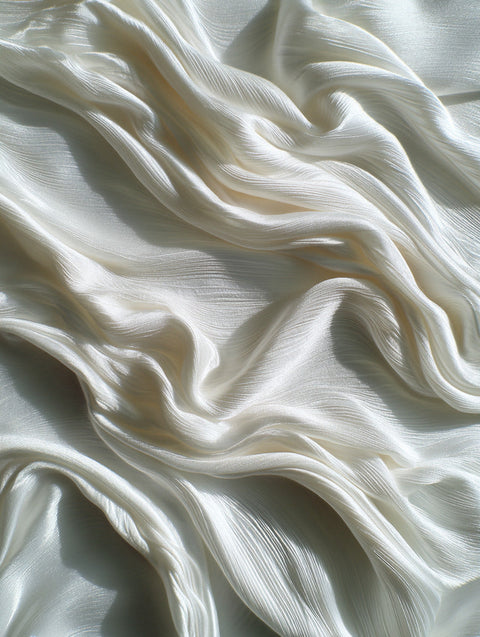
If you're looking for real silk , tilt the fabric under the light: real silk changes color depending on the viewing angle (a slight “phosphorescent” effect), while fake silk just holds a flat, inflexible color.

Sustainable Fashion Starts With Knowing What You Wear
1. Guide to Choosing Good Fabrics – When Aesthetics Meet Ethics
A beautiful shirt is not enough. It needs to be good – both in how it feels and in the materials it is made from. Choosing good fabrics should not be about preference, but also about knowledge: about biodegradability, manufacturing processes, water consumption and skin effects.
A simple example: bamboo fabric is moisture-wicking, antibacterial, and more environmentally friendly than polyester. Linen is less chemically treated than cotton. Knowing these things will help you not only dress well, but also dress responsibly – something Gen Z is extremely concerned about.
2. Every Wear Is A Conscious Choice
When you can distinguish real fabric from fake , you are not just a shopper – you are an informed consumer. And in the era of local brands blooming, vintage trends returning, the skill of choosing and identifying fabric is the way for you to “curate” your wardrobe in your own style, while still understanding each item.
Conclude
Identifying clothing fabrics doesn’t require a lab or a degree. With just a few simple tricks – from touching, looking at light, to dripping water – you’ll have the superpower of smart clothing selection.
The new generation doesn’t just dress to look good, but also to live greener, choose better and love their clothes longer. And every journey starts with the material – from the fabric fibers deep inside each layer of clothing.
Related articles:
Bamboo Fiber Clothing and the Future of Eco-Fashion
The Most Popular T-Shirt Fabrics and How to Choose the Right One
Does Linen Fabric Wrinkle And The Secret To Keeping Its Shape?