

How to Process Linen Fabric Before Sewing According to Design Workshop Standards
How to treat linen before sewing is an important step to help the finished product achieve the right form, softness and colorfastness. Linen is beautiful but “difficult” — just treat it properly, you will see this material exude natural fashion class, delicate down to every fiber.
Why Do Linen Fabrics Need to Be Treated Before Sewing?
Linen is a natural flax fiber material, famous for its rustic, airy and luxurious surface. However, anyone who has worked with linen knows that this fabric tends to shrink, wrinkle a lot and stiffen the fibers after weaving. If not treated carefully before cutting and sewing, the product can easily lose its shape or size after the first wash.
Therefore, the pre-treatment step is like “preparing the mind” for the fabric, helping the fibers to relax, become softer and stabilize the shape. This is the secret that every professional design studio always does before putting the linen on the cutting table.

Raw linen can be stiff, wrinkled and prone to shrinkage if left untreated (Photo: Pinterest)
How to Process Linen Fabric Before Sewing According to Factory Standards
1. Soak in Warm Water – Relaxes and Stabilizes Fabric Fibers
The first step in pre-treatment of linen fabric before sewing is to soak the fabric in warm water at about 40°C. The purpose is to help the fabric fibers expand naturally, avoiding shrinkage after finishing.
Soak for 30–45 minutes, then shake gently and let dry naturally. Avoid wringing vigorously or drying directly in strong sunlight as this may cause the fabric fibers to dry and stiffen.
Pro Tip: If your linen is hand-dyed, you can add a little diluted white vinegar to help the color last longer and reduce fading in future washes. This is a trick many high-end tailors use to maintain the original tone of the fabric.

Helps preserve fabric color and soften natural fibers (Photo: Pinterest)
2. Soften Linen Fabrics with Baking Soda
After the warm water soak, you can add a “light spa” phase for the linen with baking soda .
Mix 2-3 tablespoons of baking soda in a large basin of water and soak the fabric for about 15-20 minutes. Baking soda neutralizes the pH, making the linen softer and more pliable without changing the natural structure of the fabric.
After soaking, rinse gently with clean water and let dry in a cool, airy place. You will feel the difference — the linen becomes smoother, the surface is less rough, and especially less wrinkled when ironed.

The fabric is soft and has a natural drape, is easy to sew and has a more standard shape (Photo: Pinterest)
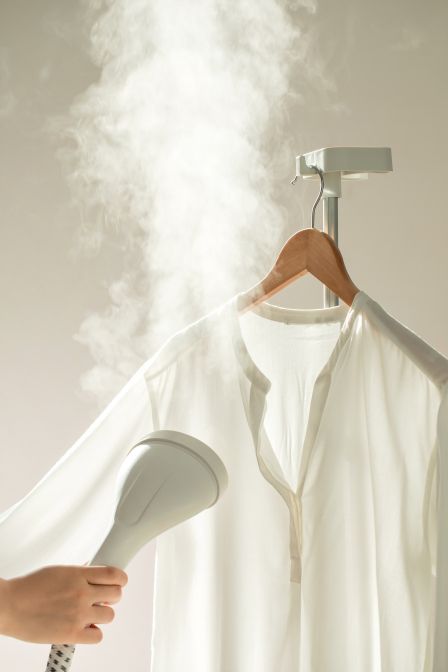
3. Steam Ironing – Reduce Wrinkles and Fix Fabric Shape
Once the linen is almost completely dry, lightly iron it with a steam iron on medium heat. This will help reduce wrinkles, smooth the fabric surface, and stabilize its shape .
Too high a temperature can burn the linen, so iron only when the fabric is slightly damp and move the iron along the length of the fiber.
One tip is to place a thin layer of cotton cloth over the ironing to avoid shine — this is a common technique in European design studios when working with fine linen.

The final step helps the linen to be flat, stable in shape and ready for sewing (Photo: Pinterest)
Notes When Handling Linen at Home
Linen is a natural fabric and requires gentle care. When soaking, avoid using very hot water or harsh detergents as this will cause the linen fibers to fray. Linen is absorbent but shrinks easily, so do not dry it in direct sunlight.
For extra wrinkle reduction, you can try treating your linen to reduce wrinkles by adding a few drops of natural conditioner or lavender essential oil during the final soak. The light fragrance will also help give the finished product a more “luxurious” feel.
Linen – The Beauty of Sustainable Fashion
Nowadays, sustainable fashion brands are returning to linen as a symbol of simplicity and closeness to nature. Linen is environmentally friendly, uses less water in the production process and is biodegradable.
Many designers view linen as a “living” material, as the longer it is worn, the softer it becomes and the more it takes on the wearer’s signature character. That’s why linen is more than just a fabric, it’s a way of life — one that’s slow, refined, and authentic.

Linen has a minimalist beauty, symbolizing modern sustainable fashion (Photo: Pinterest)
Conclusion: Beautiful Linen Depends on How You Prepare It
Treating linen before sewing is not just a technical step, it is a step that shows respect for the material and the craftsmanship. A carefully soaked, softened, and ironed linen will provide the perfect foundation for any design—from shirts to dresses to elegant suits.
Fashion starts with the small details, and linen treatment is the first detail that makes the difference between “dressing well” and “living with style”.
Related Articles
100% Cotton Fabric Is Soft, Cool And Never Out Of Date
