


Sportswear Brand Logos and the Game That Defines Style
Sportswear logos are more than just a symbol of recognition. They are a statement of lifestyle, personal identity and a part of popular culture that has permeated streetwear.
From Brand Symbols to the Story of Dress Culture
1. When a Logo Becomes a “Statement” on Fabric
In the athleisure boom of recent years, sportswear brands are no longer just workout clothes – they are lifestyle icons. And at the center of that wave, are logos : small, compact, but with huge recognition power.
You see a Swoosh, you know it’s Nike. The three slanted stripes are Adidas. The monogram F is Fila, or the Jumpman logo is Jordan. They’re ingrained in pop culture, worn by athletes, singers, fashionistas, and everyday people – each in their own way.
2. The Rise of Logos in Streetwear and Gen Z
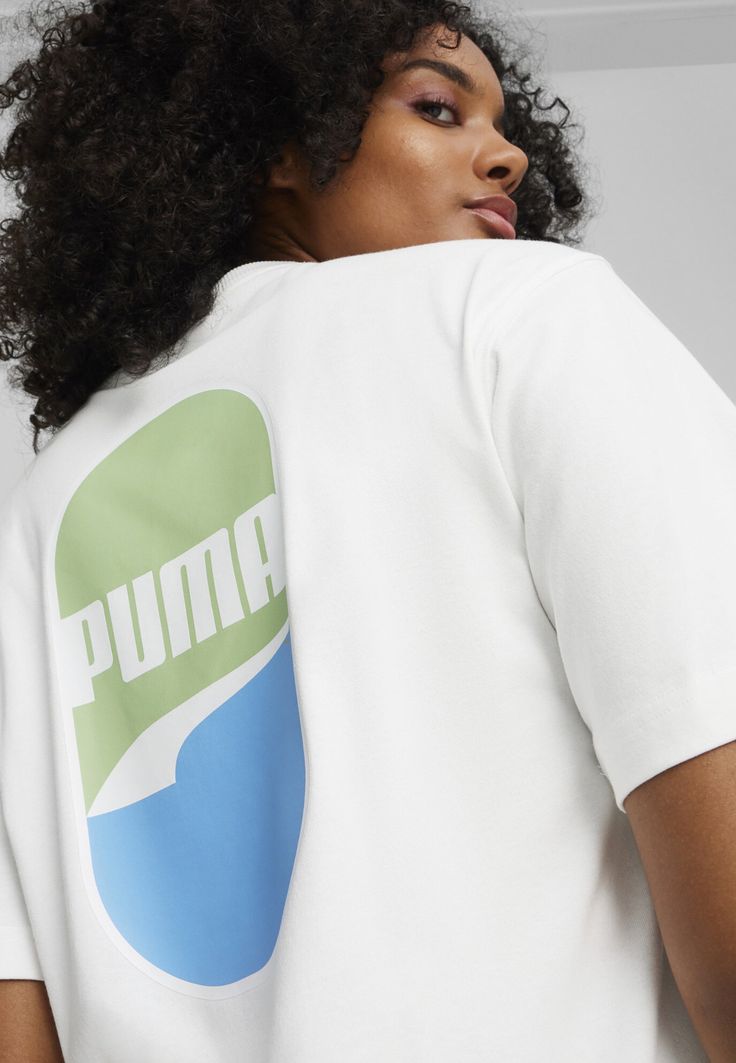
Gen Z grew up in the visual age – where visuals speak louder than words. Logos have become a way to “say less but suggest more”. When wearing a shirt with a brand logo, the wearer is not only choosing a product, but also choosing a set of values: healthy, dynamic, individual, successful, or even… cool.
(Photo: PUMA)
Classic Sports Logos and What Makes Them Last
1. Nike – The Swoosh and the “Just Do It” Philosophy
Born from the image of the wings of Greek mythology, the Swoosh is one of the simplest yet most recognizable logos on the planet. It is not just a logo, but a symbol of motivation to overcome limits. Along with the slogan “Just Do It”, Nike created a sports fashion system associated with positive thinking and conquest.
2. Adidas – Three Stripes Represent Durability
Adidas stands out with 3 parallel stripes - originally a technical design, now an aesthetic "fingerprint". The Adidas logo is varied according to each line: Originals (three-petal flower), Performance (3 climbing stripes), Style (circle logo). This flexibility helps the brand stay alive in each segment.
3. Puma, Reebok, Fila – Icons Remixed by the New Generation
Puma with its jumping black panther image – powerful and fast. Reebok, once a leader in 80s gyms, is returning with a retro aesthetic. Fila, from a classic Italian icon, is now a “familiar face” in Korean sport-chic fashion.

(Photo: Pinterest)
Local Brands and the Logo Positioning Game in Vietnam
1. From “No Logo Needed” To “Logo Must Have Quality”
In the past, local brands were often reluctant to use logos for fear of being compared to fake or too commercial products. But now, logos have become part of aesthetic taste. Local Vietnamese sportswear brands such as Keep & Fly, ONWAYS, PUSW, or even fashion brands like Root Rotation have created logos with their own spirit: compact, versatile, but recognizable.
In a world where everything is easy to copy, the logo is the brand's DNA – the mark of personality that customers come to and stay.
2. When a Logo Is Not Just a Label, But a Fashion Highlight
Logo treatments today are no longer simply printed directly onto the chest of a shirt. Instead, designers use logos as artistic details : reflective printing, hidden embroidery, creative typography, or hidden in unexpected details. The logo no longer screams – it whispers.

(Photo: Pinterest)
Logo – A Mirror Reflecting the Wearer's Spirit
1. Wearing a Logo Is a Way to Establish Identity
It’s no coincidence that sports fans choose Nike, retro lovers wear Fila, and minimalists choose Uniqlo Sport. Logos are the first clue to defining style, not just for taste but also for how we want the world to see us.
Today, wearing a logo isn’t about showing off a brand – it’s about saying, “I belong to that spirit.” That’s when fashion becomes the social interface of the self – and the logo is the blinking cursor on the front page.

2. Root Rotation and Minimalist Logo Philosophy
As a brand that doesn’t follow the trend of large prints, Root Rotation ’s logo is often displayed in small embroidery, hidden in the cut or tucked behind the collar tag. It’s how the brand stays true to its individuality – the logo is part of the quality, not a statement of ostentation.
Related articles:
Men's Sportswear 2025 - Classy & Comfortable
2025 Men's Soccer Sportswear, Enter the Field and Score Points in Style
