

Are Modal Fabric's Disadvantages a Barrier to Sustainable Fashion?
When talking about green materials, many people are surprised by the disadvantages of modal fabric . Although soft and friendly, is modal really the perfect choice for sustainable fashion?
Modal Fabric and the Green Materials Revolution
1. Why is Modal so popular?
Modal is a bio-based fabric made from beechwood cellulose, known for its soft drape and cool feel on the skin. Over the past decade, modal has been making an appearance on both runways and street style. Brands like Uniqlo and H&M often choose modal for basic items because it is both airy and luxurious.
However, when it comes to sustainability, the story goes beyond functionality. The disadvantages of modal fabric are increasingly of interest to young people. Gen Z not only wants to dress well, but also wants to understand the impact of the material they wear on the environment and their personal experience.

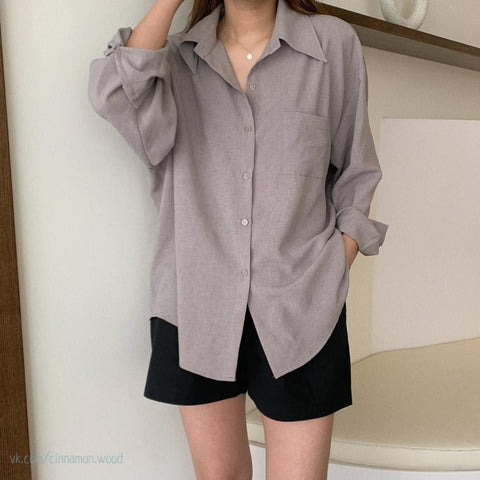
(Photo: Pinterest)
2. Modal In Sustainable Fashion
From an ecological perspective, modal has an advantage over polyester because of its biodegradability. But over its entire life cycle, modal still has significant limitations. This raises the question: Can modal be a sustainable fashion leader, or just a stopgap solution?
Disadvantages of Modal Fabric in Fashion Applications
1. Not Keeping Warm in Cold Weather
One of the obvious disadvantages of modal fabric is that modal does not keep you warm in cold weather . In temperate climates, modal is usually only suitable for summer or tropical areas. Wearers may feel comfortable in hot weather, but lack a layer of insulation when winter comes. Therefore, modal is difficult to completely replace cotton or wool in four-season fashion.

(Photo: Pinterest)
2. Prone to Yellowing When Exposed to High Heat
Another limitation is that modal is prone to yellowing when exposed to high heat . This makes ironing or washing at high temperatures a challenge. Major brands often recommend customers wash modal in cold water and limit drying. With Gen Z accustomed to a fast-paced lifestyle, this “pickiness” may be a barrier that prevents modal from becoming a mainstream material.
3. Slow Drying When Washing and Complex Care
Compared to cotton, modal takes a long time to dry when washed , requiring a long drying time. In limited urban spaces, this is a clear inconvenience. Many young people share that they prefer cotton or linen because they are easy to wash and easy to maintain. This shows that modal still has a gap when it comes to reaching the majority.

(Photo: Pinterest)
4. Higher Price Than Cotton And Poor Color Retention
In addition, modal is more expensive than cotton , but the color is less prominent . The dyeing process of modal does not keep the color fresh for a long time, making the clothes easily look old after a few washes. For a generation that loves diversity and color explosion like Gen Z, this is a significant minus.
Is Modal Really a Barrier to Sustainable Fashion?
1. Gen Z's Perspective on Materials
Young people today are not only concerned with style, but also ask the question: “Is this material comfortable and environmentally responsible?” Modal satisfies the softness and bio-friendliness, but the inconvenience in care makes many people hesitate.
2. Root Rotation and the Philosophy of Balance
In this trend, brands like Root Rotation not only follow the material trend, but also seek to balance aesthetics, durability and practical experience. Combining modal with organic cotton or natural linen can be the optimal solution: taking advantage of the softness while overcoming the disadvantages. This is how Root Rotation conveys the philosophy of “Living Artistically, Wearing Quality” – where sustainable fashion is not about sacrificing utility, but about creativity to find a new balance.
3. Modal In The Future Of Fashion
Modal still has a place, especially as fabric processing technology continues to improve. Solutions like recycled modal, or clever blends of modal with other green fibers, are opening up new doors. The downsides are not permanent barriers, but reminders for the fashion industry to keep innovating.
Conclude
The disadvantages of modal fabric such as difficulty in keeping warm, easy to yellow, slow drying, high price or poor color are factors that Gen Z need to consider when choosing. However, that does not mean that modal has lost its value. Instead, it emphasizes the importance of innovation and material combination.
In the journey towards sustainable fashion, pioneering brands like Root Rotation are proving that limitations are just a starting point for creativity. Younger generations can choose to dress beautifully, comfortably and still be kind to the planet.
Stay tuned to Root Rotation to discover more green materials that are being created to overcome the current barriers of modal.
Related Articles
Cool Fabrics and the Green Material Revolution in Fashion
Is Cotton the Sustainable Material for Clothing of the Future?
What Kinds of Fabrics Are Commonly Used in Clothing and How to Identify Them?
