

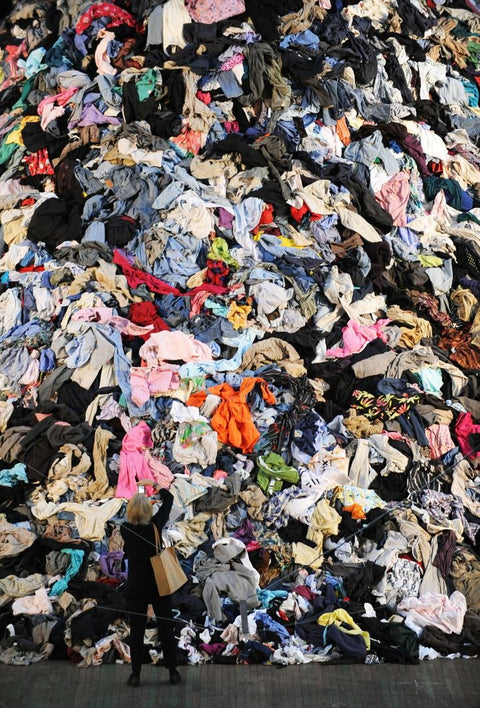
Slow Fashion 101: Everything You Need to Know

Did you know that the fashion industry is one of the most polluting industries in the world? Fortunately, more and more people are becoming aware of this issue and are choosing to pursue sustainable fashion. So what is sustainable fashion and what are its benefits?
What is Sustainable Fashion (Slow Fashion)?
The term "Sustainable Fashion" was coined in 2007 by design activist Kate Fletcher. Unlike "Fast Fashion" which focuses on mass production of cheap, low-quality clothing, sustainable fashion aims to:
Reduce consumption: Buy less, carefully choose high quality products that will last over time.
Use environmentally friendly materials: Organic cotton, recycled fabrics,... limit the use of toxic dyes.
Transparent Supply Chain: Caring about the working conditions of workers in the garment industry.
Long product life : Reduce textile waste by encouraging repair and recycling of old clothing.

(Source: Pinterest)
Why choose sustainable fashion?
The fast fashion industry mass-produces low-quality clothing, resulting in:
Environmental pollution: From manufacturing, dyeing fabrics to disposing of old clothes, all cause pollution of water, land and air.
Too resource-intensive: The fashion industry is the second largest consumer of water and energy in the world.
Poor working conditions: Garment workers, especially in developing countries, often work in unsafe environments for low wages.

(Source: Pinterest)
How to get started with sustainable fashion?
Shop smart: Choose high-quality, durable clothes that can be coordinated with other outfits.
Make use of old clothes: Repair small tears, replace buttons,... or organize a clothing swap with friends.
Check out sustainable fashion brands: Many local brands are moving in this direction, using recycled materials and responsible manufacturing.
Support sustainable fashion policies: Speak up for policies that encourage the use of recycled materials and improve working conditions in the garment industry.

(Source: Pinterest)
Initiatives for sustainable fashion
Fabric saving: Some sustainable fashion brands use optimal tailoring techniques to minimize excess fabric during production.
Creative recycling: Old clothes can be recycled into new, useful products such as bags and decorations.
Clothing Swap Programs: Attending clothing swap events with friends is a fun way to refresh your wardrobe without breaking the bank.
Environmentally friendly materials: Use natural materials such as organic cotton, hemp, bamboo instead of polyester and nylon that are difficult to decompose.

(Source: Pinterest)
By choosing sustainable fashion, you not only contribute to protecting the environment but also build a unique, quality and meaningful fashion style. Let's join hands for a green future for the fashion industry!
Most viewed articles:
Top 5 Famous Sustainable Fashion Brands in Vietnam
Chi Pu Explodes With "Finding You": A Musical Transformation For A New Journey
5 Types of Outerwear That Both Protect You From the Sun and Make Your Style More Eye-Catching
